
Composite Decking vs. Vinyl: Which Is Better for Vancouver's Climate?
Composite and vinyl decking both hold up better than wood in a wet climate, but they don't hold up the same way. Composite resists rot and splintering thanks to its wood-plastic blend, while vinyl is fully waterproof and needs almost no yearly upkeep. The right choice usually comes down to how much rain exposure your deck actually gets and how much maintenance you're willing to do.
What Makes Vancouver's Climate Hard on a Deck?
Vancouver isn't a climate that forgives the wrong decking choice. Between the rainy season, the humidity, and the freeze-thaw cycles that show up most winters, a deck here takes a different kind of beating than one in a drier city. Choosing a material that can't handle that cycle usually shows up as a problem within the first two or three years, not right away.
Rain is the obvious factor, but it's the constant dampness in between rainfalls that causes the real damage. Wood soaks up moisture, swells, and eventually rots or warps if it isn't sealed and maintained regularly. Materials that don't absorb water at all have a real advantage here, which is exactly why so many homeowners move away from traditional lumber.
Any experienced deck contractor in Vancouver will tell you that most repair calls trace back to moisture getting into a material that wasn't built to shed it, whether that's a hairline gap in old wood or a coating that wore through years earlier. If you're planning a build or a replacement, working with a deck contractor familiar with local weather patterns from the start tends to save money later, since our team at Vancouver Deck Company deals with these conditions on nearly every project.
Composite Decking: Strengths and Trade-Offs
Composite decking is made from a mix of wood fibers and recycled plastic, which gives it a more natural look than vinyl while still resisting rot far better than solid wood. It won't splinter, and most boards come with a factory-applied cap that blocks moisture from soaking into the core.
Where Composite Falls Short
That said, composite isn't fully waterproof. The capped shell resists water, but any cut edge, screw hole, or deep scratch exposes the wood-fiber core underneath. If moisture gets into that exposed spot repeatedly, it can lead to swelling over time, especially in a climate that rarely gives a board a full week to dry out. Good installation practices, like sealing cut ends during construction, make a real difference here, which is why the quality of the install often matters as much as the material itself.
Vinyl Decking: Strengths and Trade-Offs
Vinyl decking is a fully synthetic PVC product, and that makes it completely waterproof from edge to edge. There's no wood fiber to swell, rot, or feed mold, which matters a lot in a region where a deck might stay damp for days after a single storm. It's also resistant to insects, since there's no organic material for anything to feed on.
Where Vinyl Falls Short
Vinyl's biggest trade-off is appearance and feel. It doesn't have the natural wood grain texture that composite mimics fairly convincingly, and some homeowners find it feels more like a synthetic surface underfoot. It also expands and contracts more with temperature swings, so proper installation matters more than it does with composite, particularly around fastening and spacing between boards.
Composite vs. Vinyl: Key Differences
Composite decking offers a wood-like appearance with high water resistance, making it a popular choice for outdoor spaces. It still needs proper care, especially around cut edges and exposed areas. Vinyl decking is fully waterproof and requires very little maintenance beyond regular washing.
Composite decking generally falls within the mid-to-upper price range, while vinyl can cost slightly less or a similar amount. Both materials can last for decades when properly installed and maintained. In wet climates, vinyl resists moisture absorption, while composite performance depends on its construction, quality, and exposure conditions.
The right choice depends on your budget, preferred appearance, maintenance expectations, and local weather. Compare product specifications and warranty terms before you buy.
A few practical points worth weighing before deciding:
- If your deck sits under trees or gets constant shade, moisture takes longer to dry either way, which favors vinyl's full waterproofing.
- If you want a look closer to real wood, composite generally wins on appearance.
- If low maintenance is your top priority, vinyl typically needs less attention year to year.
- If your budget is tight, get quotes on both, since pricing can vary more by supplier than by material.
- If you already have a wood deck showing early rot, it's worth getting it assessed rather than guessing at a full deck repair versus a replacement.
Neither material needs the yearly staining or sealing that a wood deck demands, but they age differently over a decade or more. Composite can fade slightly in direct sun over several years, though most modern boards resist this better than older generations did. Vinyl tends to hold its color longer since the pigment runs through the entire material rather than sitting on a capped surface layer. Neither issue is dramatic, but it's worth knowing before you commit to a color for the next two decades.
Which One Should You Actually Choose?
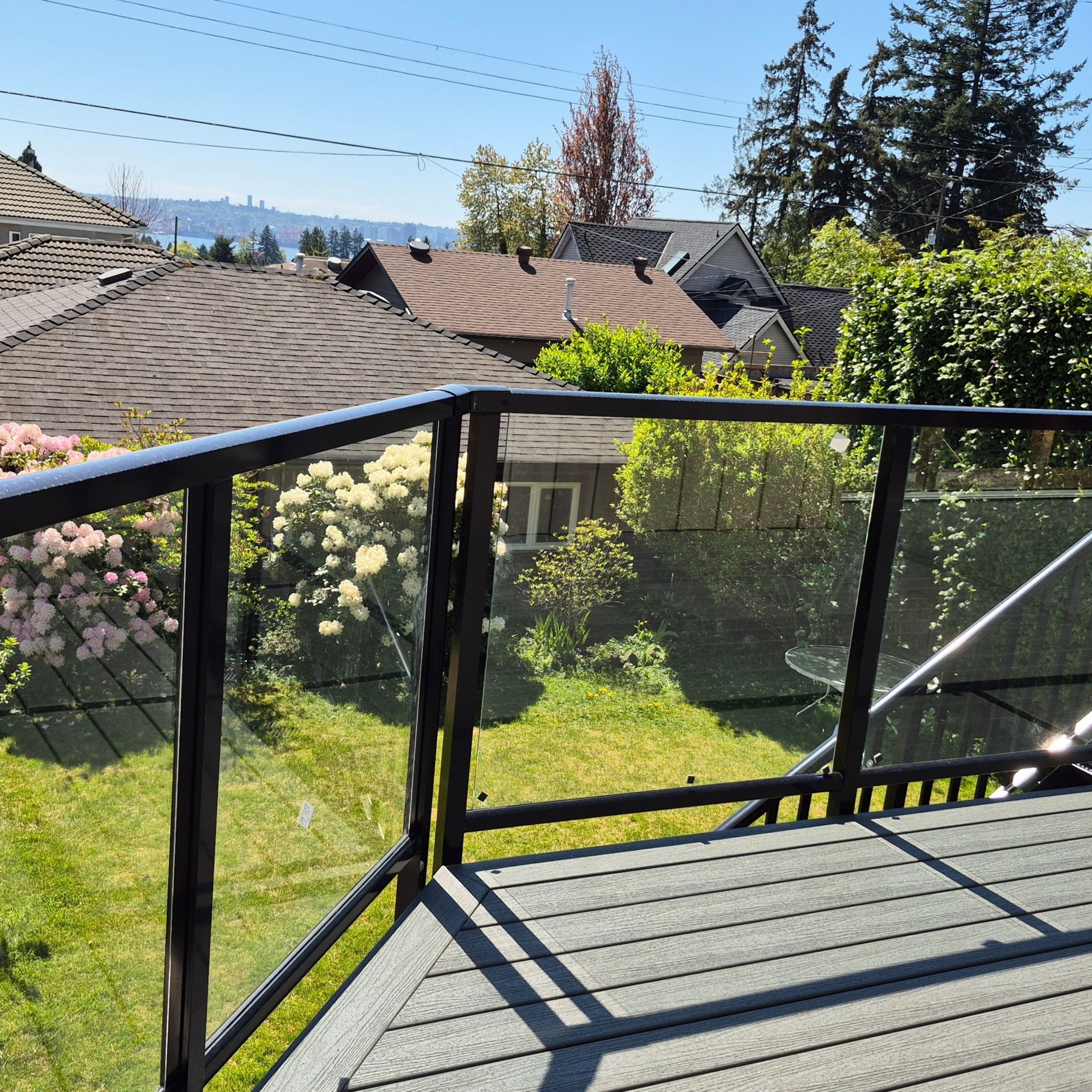
For most Vancouver homeowners, the decision comes down to how much rain exposure the deck gets and how hands-off you want to be. A covered or partially sheltered deck can do well with either material, since it won't spend as much time fully saturated. A fully exposed deck, especially one near ground level where water pools, tends to benefit more from vinyl's total water resistance.
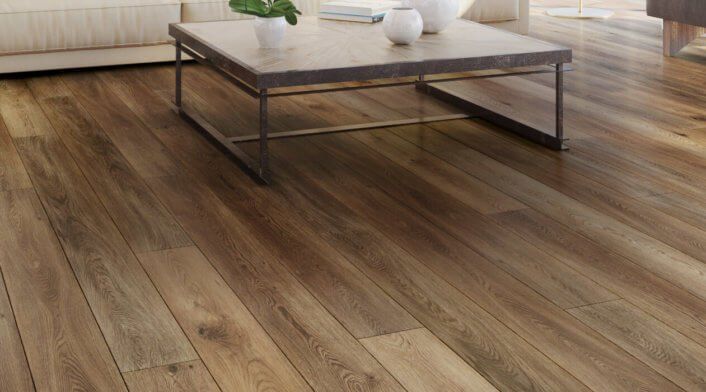
It's also worth thinking beyond just the decking boards themselves. If you're renovating an outdoor space that connects to an interior area, like a covered patio or a sunroom, vinyl flooring in Vancouver homes has become a popular way to match that same low-maintenance, water-resistant approach indoors, so the whole space holds up the same way through wet seasons.
Conclusion
Neither material is the wrong choice, but they solve the moisture problem differently, and picking based on your actual deck conditions matters more than picking based on price alone. If you're still weighing composite decking against vinyl decking for your own backyard, getting a professional opinion on your specific site conditions is worth more than any general comparison. Reach out for a free consultation, and we'll walk you through which material actually makes sense for your deck.
Share Our Post
You might also like